
Exodus 12:31-36; James 2:17-20
“Then he called for Moses and Aaron by night, and said, ‘Rise, go out from among my people, both you and the children of Israel. And go, serve the LORD as you have said. Also take your flocks and your herds, as you have said, and be gone; and bless me also.'”
The night air in ancient Egypt filled with the sound of crying. In every Egyptian home, from royal palaces to mud huts, families held their dead. The tenth plague had struck—every firstborn son and animal was gone.
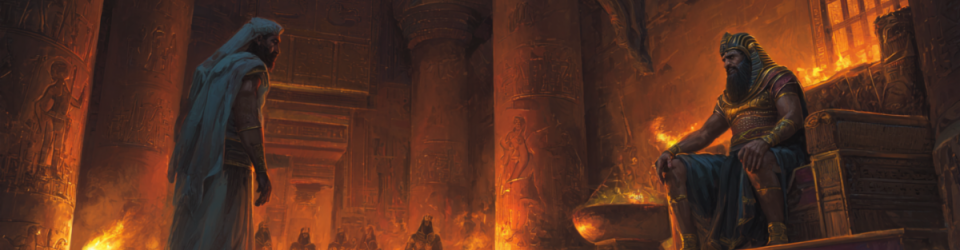
In Pharaoh’s palace, the king cradled his lifeless son. This prince would never rule Egypt. Egypt’s future died in his father’s arms—another victim of Pharaoh’s stubborn pride. Broken and beaten, Pharaoh called for Moses and Aaron in the darkness. The same king who had threatened to kill Moses now begged him to come. The same ruler who had declared “I do not know the Lord!” was about to surrender completely.
“Take your people and leave!” Pharaoh ordered. “Take your animals! Just go!” But then came the shocking words: “And bless me also.”
Bless me also? This was the man who claimed to be a god, who demanded worship from his people. Now he was begging the God of slaves to bless him?
But Pharaoh’s heart wasn’t truly changed. Deep down, he may have known he was wrong—just like Lucifer knew he was wrong when he rebelled in heaven. The Bible tells us that Lucifer “was convinced that he was in the wrong,” but “pride forbade him to submit.” The same deadly pride trapped Pharaoh.
Think about other Bible characters who felt sorry but never truly repented: King Saul was sorry when he lost his kingdom, but kept making the same mistakes. Judas was sorry when he betrayed Jesus, but his regret led to suicide, not surrender. All of them knew they were wrong, but pride kept them from truly giving their hearts to God.
Pharaoh wanted God’s blessing, but he didn’t want God’s lordship. He wanted relief from pain, not relationship with his Maker. Soon he would chase after the Israelites, proving his “conversion” was fake. Meanwhile, God provided for His people. The desperate Egyptians loaded them with gold, silver, and clothing. After 400 years of unpaid slave work, God’s people finally received payment. Even in judgment, God takes care of those who trust Him.
Today we face the same choice Pharaoh faced. When life gets hard, do we want a real relationship with God, or do we just want Him to fix our problems? Are we ready to surrender our pride, or do we just want relief while staying in control?
The difference between regret and repentance is simple: regret says “I’m sorry I got caught.” Repentance says “I’m sorry I was wrong, and I want to change.” Pride keeps us stuck in regret. Humility leads us to true repentance and real blessing.
Did You Know? Ancient Egyptian records show that when slave groups left Egypt during crises, their former masters often gave them valuable items to speed their departure. This wasn’t kindness but desperation to avoid more trouble. The Bible’s account of Egyptians loading the Israelites with gold and silver fits perfectly with what we know about ancient customs during times of national crisis.
🔥 Personal Reflection:
- When have you felt sorry for getting in trouble but didn’t really want to change your heart?
- What areas of pride in your life might be preventing real repentance?
- How can you tell if you want God’s help or if you want God to be the boss of your life?
🙏 Prayer: Dear God, help me see the difference between regret and real repentance. Don’t let pride keep me from truly surrendering to You. When trouble comes, help me seek You, not just Your solutions to my problems. Change my heart completely. In Jesus’ name, Amen.
0 Comments